
Cement Research · Materials science
Cement with less carbon, through ambient-temperature reactions
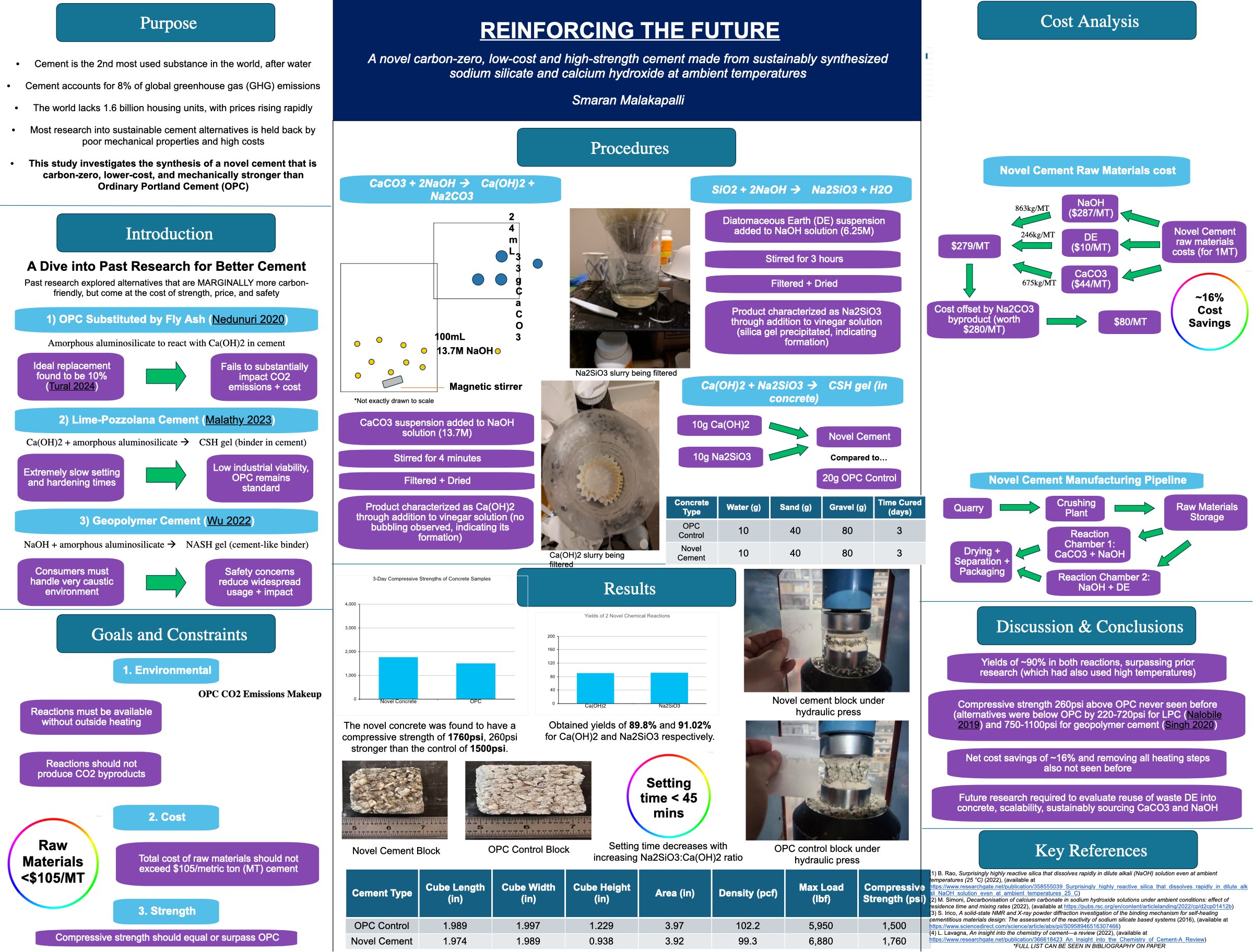
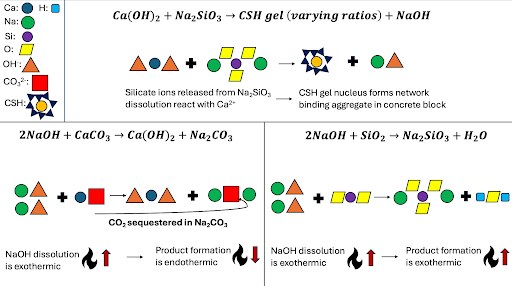
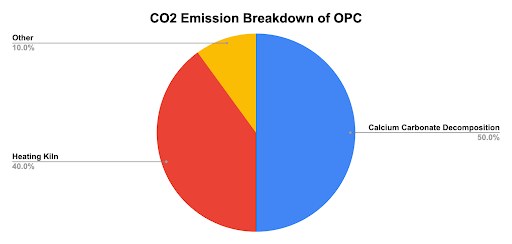
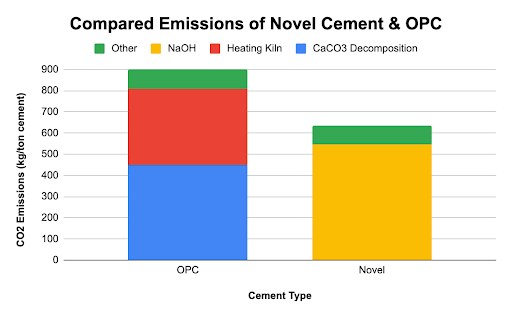
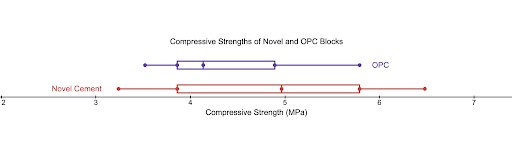
Cement makes up roughly 8% of global CO₂ emissions, much of it from heating limestone in kilns at around 1,450°C. I wanted to see if I could make a working cement without such high temperatures. By synthesizing calcium hydroxide and sodium silicate through ambient temperature reactions and combining the two in dry form to create a new cement, I formed a concrete with comparable strength to traditional cement, 16% lower cost, and 30% lower carbon emissions. The paper has passed its first peer review and is now on its second peer review at Springer Nature's Discover Applied Sciences.
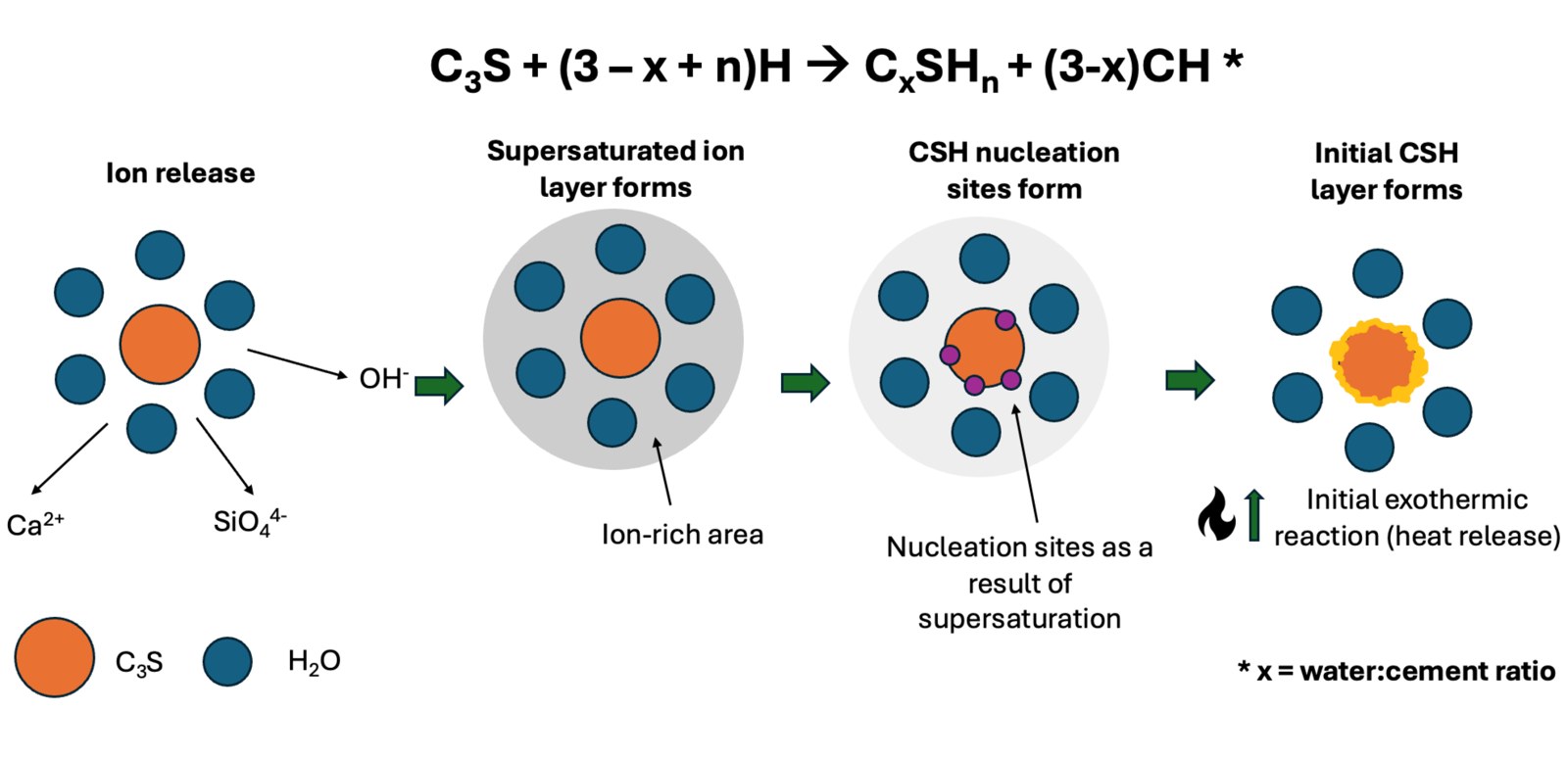
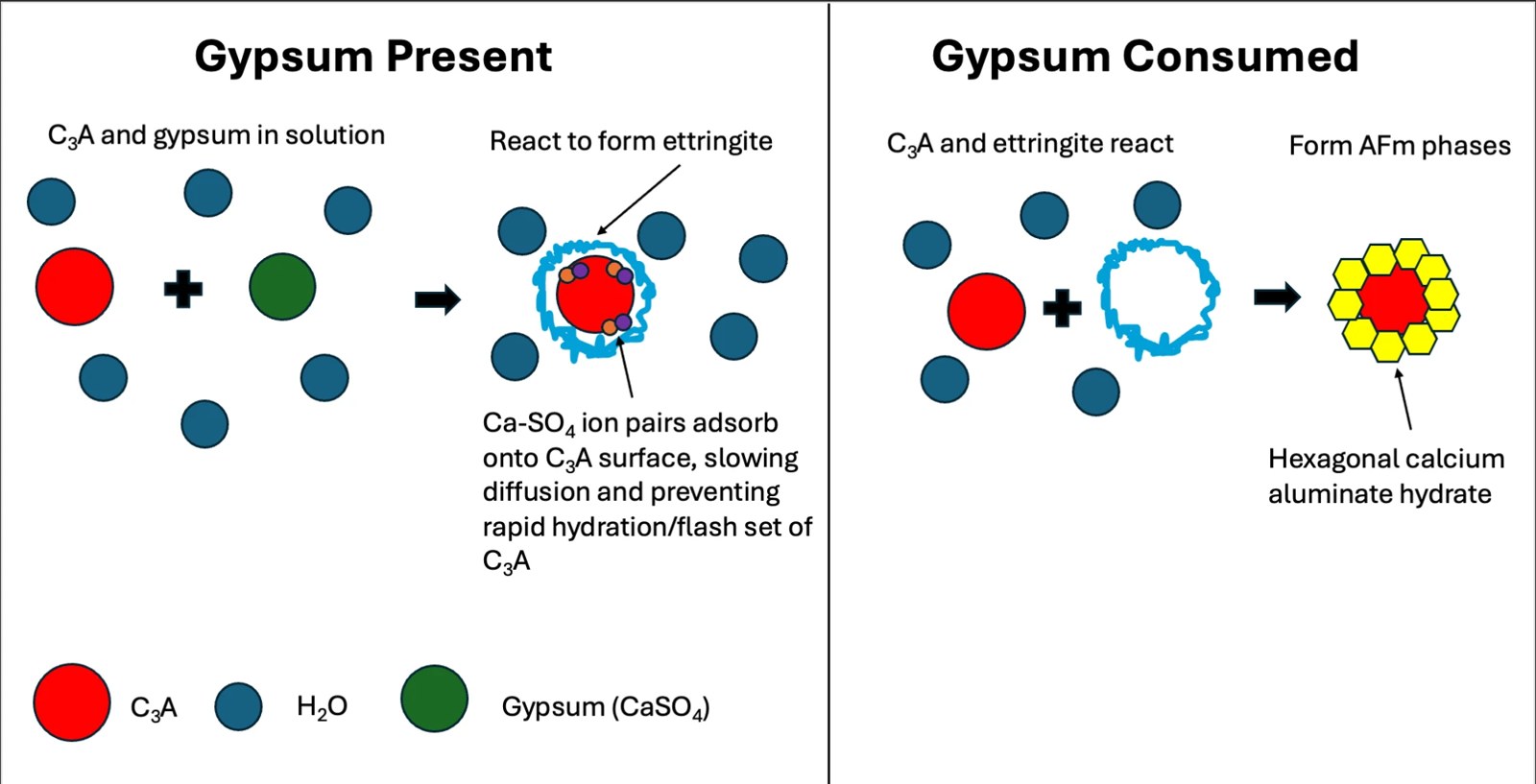
3reaction mechanisms combined
3 / 800projects to win both special awards
1stplace at WSSEF
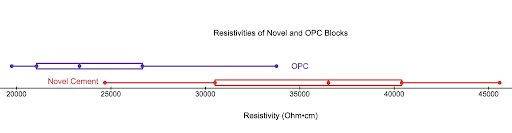
- Built my own circuit to measure electrical resistivity
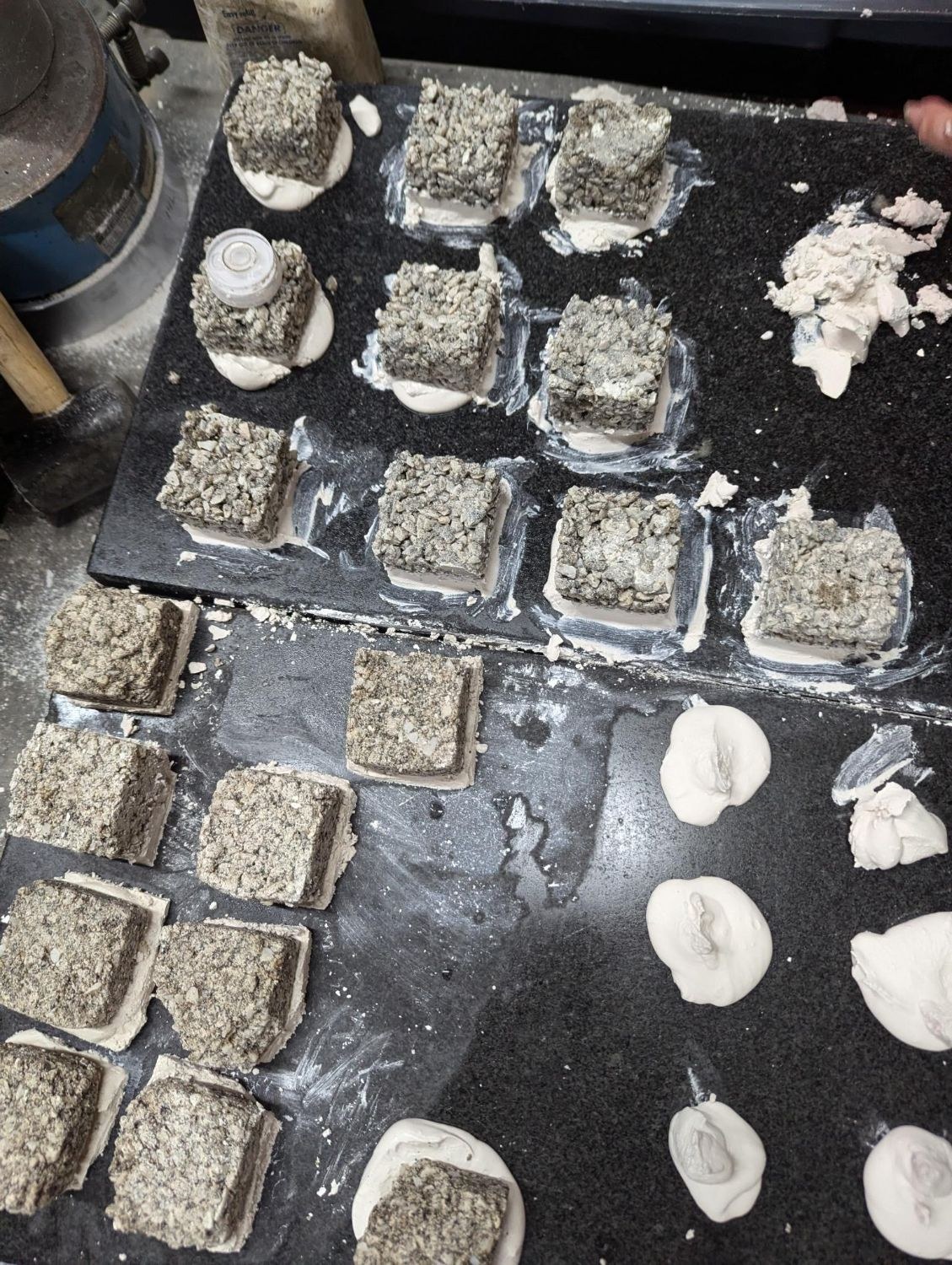
- Cold-emailed industrial strength-testing companies and characterization labs until some agreed to test my samples for free or at a discount
- Ran carbon and cost comparisons, with significance tests on the results
- Won the Norman Borlaug and Ricoh Sustainability awards plus a grant, then an American Statistical Association Honorable Mention for the analysis
PaperAmbient temperature proof-of-concept synthesis of a lower-carbon, cost-effective cement using 3 reaction mechanisms